
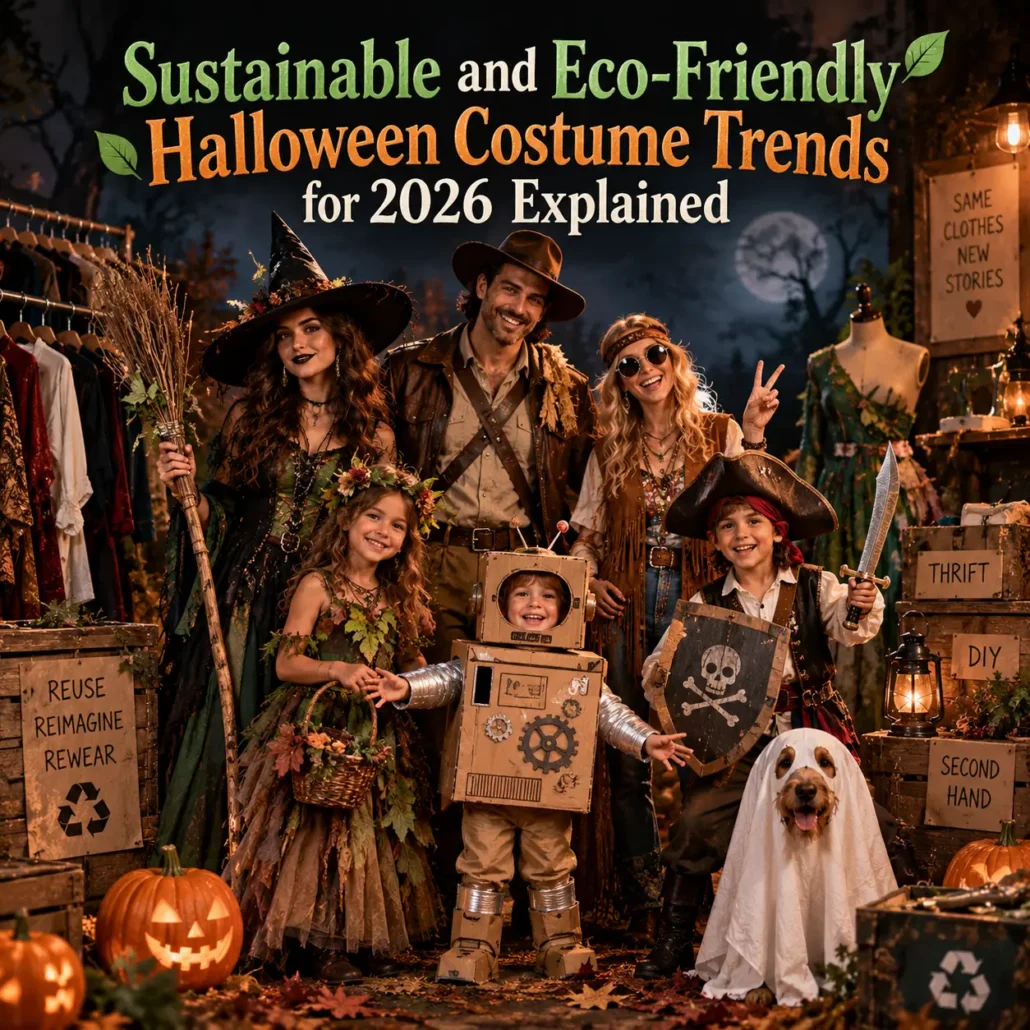
Sustainable and Eco-Friendly Halloween Costume Trends for 2026 Explained
Halloween costumes do not have to be brand new to make an impression. In fact, some of the best costume ideas can start with items you already own, such as an old jacket, black dress, denim shirt, or cardboard box.
Choosing sustainable Halloween costumes means finding creative ways to reuse what you have instead of buying an outfit that may only be worn once. You can reuse clothing, borrow pieces, shop secondhand, or make selected accessories yourself.
The goal is simple: create a costume you enjoy while making thoughtful choices about what you buy, reuse, and keep.
What Makes a Halloween Costume Sustainable?
A sustainable costume focuses on reducing unnecessary purchases and extending the useful life of clothing and accessories.
You can make a costume more sustainable by:
- Reusing clothing you already own.
- Borrowing costumes from friends or family.
- Renting detailed outfits.
- Choosing secondhand clothing.
- Making selected pieces yourself.
- Buying accessories that can be reused.
- Storing costumes properly for future use.
The most sustainable option is often the one you already have. If you need to buy something, consider whether you can use it again after Halloween.
What Are the Biggest Sustainable Halloween Costumes Trends for 2026?
Halloween styling is moving beyond one-time outfits. Several approaches make it easier to create memorable looks without starting from scratch.
1. Closet-Based Costumes
Start with clothing already in your wardrobe. A black dress can become a witch costume. A white shirt can become part of a ghost look. Denim and boots can create a cowboy character.
This approach keeps the costume simple and gives everyday clothing another purpose.
2. Thrifted Character Costumes
Thrifted Halloween costumes can be more distinctive than a standard costume because secondhand stores often carry unusual colors, fabrics, and older styles.
Look for jackets, dresses, hats, belts, boots, and jewelry that match your character. You may only need one or two additional accessories to complete the look.
3. DIY Costumes From Existing Materials
Cardboard, fabric scraps, paper, and old clothing can become costume pieces.
For example, cardboard can be used for a robot accessory or character prop. Old fabric can become a cape or sash.
A simple upcycled costume idea can also give unwanted clothing a new purpose instead of leaving it unused.
4. Mix and Match Costumes
You do not always need a complete costume set. Combine clothing you already own with a wig, mask, hat, makeup, or prop.
This gives you more control over the final look. It also makes individual pieces easier to reuse.
5. Rewearable Costume Pieces
The reusable costume trend focuses on pieces that can work for more than one Halloween.
A black cape can work for a witch, vampire, or superhero. A suitable pair of boots can complement several characters. The more ways you can use an item, the more value it can provide.
Which Materials Work Well for DIY Halloween Costumes?
The best material depends on what you are creating. More importantly, consider whether you can reuse or separate the material after Halloween.
1. Cardboard and Paper
Clean cardboard boxes can become armor, signs, shields, robot pieces, or props. Keep designs simple so you can reuse the materials or dispose of them appropriately afterward.
2. Existing Fabric and Clothing
Old shirts, dresses, curtains, scarves, and fabric scraps can become costume pieces. For example, a large piece of fabric can become a cape, while an old shirt can be modified for a character costume.
3. Reusable Accessories
Hats, belts, gloves, jewelry, and footwear can work across several costume themes. These pieces are useful because you do not have to start from zero each Halloween.
4. Recycled Household Materials
Packaging and other clean household materials can be useful for selected costume projects. Avoid using materials that may be unsafe around the skin, face, heat, or children.
How Can You Create a Sustainable Costume From Clothes You Already Own?
Start with the character instead of shopping first. Look through your wardrobe before deciding what you need to buy. This helps you build the costume around pieces you already have.
Step 1: Choose the Character
Pick a character that matches clothing you already have. Consider simple options such as a witch, detective, vampire, explorer, or classic movie character. Choosing a character that fits your existing wardrobe makes the costume easier and more affordable to create.
Step 2: Find the Signature Feature
Identify the one feature that makes the character recognizable. It could be a hat, cape, color, hairstyle, or prop.
You do not need to copy every detail of the character. One strong visual feature can make the costume clear.
Step 3: Create One DIY Piece
Make the defining accessory using materials already available at home. Cardboard, fabric scraps, paper, and old clothing can become useful costume details.
Focus on creating one piece rather than making the entire costume from scratch. This keeps the project manageable and reduces the need for new materials.
Step 4: Use Makeup
Makeup can change the character without requiring another clothing layer. Face paint, eyeliner, lipstick, or simple shading can add personality and make the look more recognizable.
Choose makeup that is comfortable and suitable for your skin. Test new products before Halloween if possible.
Step 5: Add Existing Accessories
Finish the look with shoes, jewelry, belts, bags, or other items you already own. This method is one of the easiest ways to create sustainable Halloween costumes without buying an entirely new outfit.
What Are Easy Eco-Friendly Halloween Costume Ideas for Adults?
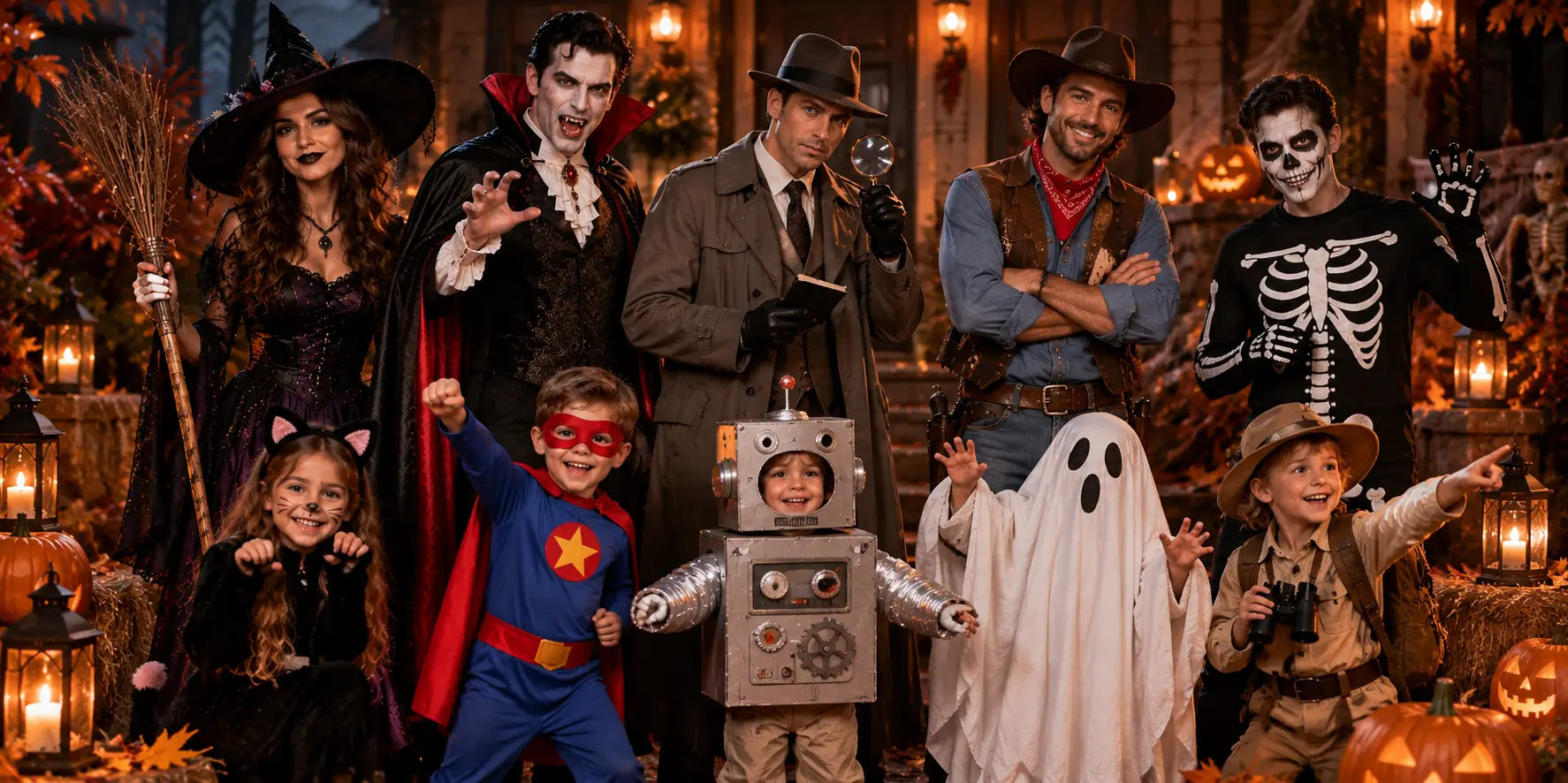
You do not need complicated materials to create a recognizable character. Start with clothing you already own, then add one reusable accessory or makeup detail to define the look.
1. Witch
Use a black dress, boots, hat, and existing jewelry. Add dramatic makeup if you want a more theatrical look.
2. Vampire
Combine dark formal clothing with pale makeup and a reusable cape. A simple accessory can establish the character.
3. Detective
Use a coat, trousers, shirt, hat, and a small notebook or magnifying glass as a prop. Add a reusable pair of gloves or a scarf to give the costume a more distinctive look.
4. Cowboy or Cowgirl
Build the outfit around denim, boots, a belt, and a hat. These pieces can remain useful after Halloween.
5. Skeleton
Use black clothing and create the character mainly through face paint. This reduces the need for additional costume pieces.
What Are Sustainable Halloween Costume Ideas for Kids?
Children’s costumes should be comfortable, easy to move in, and suitable for their age.
1. Animal Costume
Use everyday clothing with ears, face paint, or a simple handmade tail. Choose soft, comfortable materials that allow children to move easily.
2. Superhero
Create a cape from reusable fabric and use comfortable clothing underneath. Add a simple handmade emblem or mask to personalize the look.
3. Robot
Clean cardboard boxes can become a simple robot costume. Use lightweight pieces and make sure the child can move easily.
4. Ghost
Use suitable reusable fabric and simple accessories to create a recognizable ghost character.
5. Explorer
Everyday trousers, a shirt, hat, backpack, and simple accessories can create an explorer look. For children, safety and comfort should always come before costume complexity.
How Can Families Create Sustainable Group Costumes?
A family does not need to buy matching costumes for everyone. Start with one theme and give each person a different character.
1. Classic Monster Family
One person can be a vampire, another a witch, and another a skeleton or mummy. Add matching makeup details or shared accessories to make the group look coordinated.
2. Space Family
Use everyday clothing as a base and create simple cardboard accessories for each character. Silver paper, foil details, or handmade badges can help create a space themed look.
3. Storybook Family
Choose characters from a familiar story and build the costumes around clothing already available. Use simple props, colors, or accessories to make each character recognizable.
4. Superhero Family
Create simple capes or character badges while using comfortable everyday clothing underneath. Give each person a different color or symbol to create an individual superhero identity. Shared accessories can also create a coordinated look without requiring identical costumes.
How Can Couples and Friends Create Low Waste Halloween Costumes?
Matching Couples costumes can be created without purchasing two complete outfits.
Try character pairings such as:
- Vampire and vampire hunter.
- Witch and wizard.
- Cowboy and cowgirl.
- Detective and suspect.
- Hero and villain.
Choose one shared color or accessory to connect the looks. Then allow each person to build the rest from clothing they already own.
This approach supports the reusable costume trend because individual pieces can be used again with different outfits.
Should You Buy, Rent, Borrow, or DIY a Halloween Costume?
A simple way to choose is to compare cost, convenience, reuse potential, and how much customization you want from your Halloween look.
| Option | Best For | Main Benefit |
|---|---|---|
| Reuse | Simple character looks | Uses what you already own |
| Borrow | One-time events | Avoids a new purchase |
| Rent | Detailed costumes | Useful for elaborate looks |
| Thrift | Unique styles | Gives secondhand clothing another use |
| DIY | Creative projects | Allows personalization |
| Buy | Specific characters | Offers convenience and accuracy |
Consider how often you will use the costume before choosing an option. A costume that can be worn again may provide more value than an outfit intended for one night.
Can Wigs, Masks and Accessories Be Reused?
Yes, many costume accessories can be stored and reused when they remain in suitable condition.
- Wigs: Follow the care instructions and store wigs in a way that helps maintain their shape.
- Masks: Clean and store masks according to the manufacturer’s instructions. Check their condition before using them again.
- Jewelry and Accessories: Keep versatile pieces such as belts, hats, gloves, and jewelry for future costumes.
- Props: Durable props can become part of another character or Halloween display. Reusing accessories can also make future costume planning easier.
How Should You Store Halloween Costumes for Future Use?
Proper storage can extend the useful life of a costume. Clean clothing and accessories according to their care instructions before putting them away. Separate wigs, masks, makeup, and props from the main clothing.
Store fragile pieces where they will not become crushed or damaged. Label costume components so you can find them easily next year.
Good storage turns one Halloween purchase into something you can use again.
What Should You Avoid When Creating an Eco-Friendly Halloween Costume?
Sustainability is not about creating a perfect zero-waste costume. It is about avoiding unnecessary waste where practical.
Try to avoid:
- Buying a new costume when existing clothing works.
- Disposable accessories with no reuse plan.
- Excessive decorations for one event.
- Materials that cannot be separated or reused easily.
- Buying costume pieces only because they are trendy.
How Can Makeup and Accessories Reduce the Need for New Costume Pieces?
Makeup can transform the same clothing into different characters.
A black outfit can become a skeleton with face paint. Add a witch hat, and it becomes a witch. Add a cape and vampire styling, and the same base can create another character.
This is a practical upcycled costume idea because you are changing the appearance of existing pieces instead of replacing them.
Accessories can provide the final character detail without requiring a completely new wardrobe.
Sustainable Halloween Costume Decision Checklist
Before buying anything, ask yourself:
- Use: Is there something I already own that could work?
- Borrow: Could I borrow or rent the item instead?
- Reuse: Will I be able to use it again next year?
- Combine: Can individual pieces work with another costume?
- Do I actually need this accessory?
- Can I store it properly?
- Will I use it after Halloween?
These questions can help turn good intentions into practical shopping decisions.
The Five Minute Low Waste Costume Challenge
Before opening a shopping app or visiting a store, check what you already have.
Find:
- One clothing base: Choose a dress, shirt, jacket, trousers, or other suitable piece.
- One character accessory: Look for a hat, belt, scarf, or other defining detail.
- One pair of shoes: Choose footwear that fits the character and remains comfortable.
- One makeup idea: Use makeup to strengthen the character without adding another costume layer.
- One reusable prop: Choose something that can work for this costume and future events.
These five elements can be enough to build a recognizable Halloween character.
Where Can You Find Halloween Costumes and Reusable Accessories?
If you need a specific costume piece, shopping at a dedicated Halloween retailer can make the process easier.
Kreepy Halloween offers costumes, wigs, masks, makeup, accessories, and props for different Halloween styles. Instead of replacing everything you already own, you can look for individual pieces that complete your existing outfit.
Shopping in person can also help you compare colors, sizes, materials, and accessories before making a purchase.
Conclusion
A memorable Halloween costume does not have to begin with a shopping bag. Start with what you already have, then add only the pieces that genuinely improve the character.
Sustainable Halloween costumes can be creative, recognizable, and practical. Reusing clothing, choosing secondhand pieces, creating DIY accessories, and following the reusable costume trend can all help reduce unnecessary purchases.
If you need a final wig, mask, accessory, or costume piece, choose something you can use again. The best Halloween look is one that does not have to disappear when October ends.
FAQs
1. How do you make a sustainable Halloween costume?
Start with clothes and accessories you already own. Add one DIY or secondhand piece to create a recognizable character without buying an entirely new outfit.
2. What are good thrifted costume ideas?
Look for vintage dresses, jackets, hats, belts, boots, and jewelry. These pieces can easily become witch, detective, pirate, vampire, or retro character costumes.
3. How do you upcycle old clothes into a costume?
Turn old shirts, dresses, denim, or fabric into capes, skirts, cloaks, or character details. Add simple makeup and accessories to complete the transformation.
4. Are eco-friendly Halloween costumes good quality?
Quality depends on the materials and construction. Reusing durable clothing or choosing well-made secondhand pieces can produce costumes that last longer than disposable alternatives.
5. What materials are best for a reusable costume?
Durable clothing, fabric, cardboard, reusable accessories, and sturdy footwear are practical choices. Select materials that can withstand repeated use and can be stored safely.
6. How do you reduce waste when buying Halloween costumes?
Buy only necessary pieces, choose reusable accessories, and consider costumes that can be worn again. Avoid disposable items with little practical value after Halloween.
7. What is an eco-friendly alternative to costume face paint?
Use makeup you already own when appropriate, or choose products designed for repeated use. Always check the product label and ensure it is suitable for skin.
8. How do you swap or donate old Halloween costumes?
Organize a costume swap with friends, family, or community groups. Clean usable costumes first, then donate them to suitable local organizations that accept clothing or costumes.
9. What brands offer sustainable Halloween costumes?
Sustainable options vary by brand and season. Look for companies that provide information about materials, durability, manufacturing practices, and reuse rather than relying only on eco-friendly marketing claims.
10. How do you build a multi-year reusable costume wardrobe?
Collect versatile basics such as capes, hats, boots, belts, wigs, and accessories. Store them carefully and combine different pieces each year to create new characters.




Leave a Reply
Want to join the discussion?Feel free to contribute!