

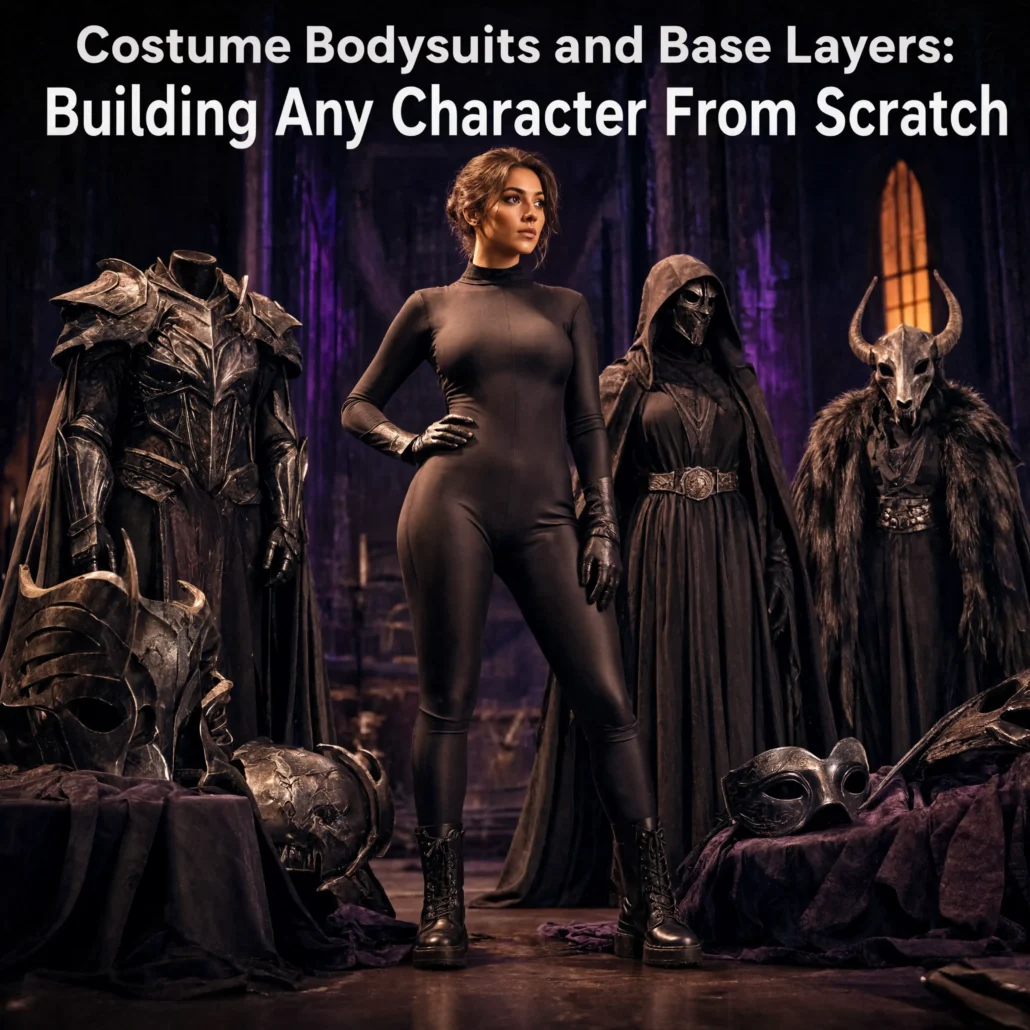
Costume Bodysuits and Base Layers: Building Any Character From Scratch
A great Halloween costume does not always begin with a finished outfit. Sometimes, it starts with one simple piece that unlocks the entire character: a black bodysuit, a skin tone base, or a fitted layer that brings everything together.
From there, you can build almost anything. Add armor to create a futuristic warrior, layer on textures for a creature, or combine accessories and makeup to design a superhero that looks completely different from everyone else’s.
That is the advantage of using a costume bodysuit base layer. It gives you a clean foundation while leaving room for creativity. It can cover gaps between separate costume pieces, create a smoother shape under armor, and make the final outfit look planned rather than randomly assembled.
The right foundation does more than complete the costume. It gives your character somewhere to begin.
What Is the Difference Between Costume Bodysuits and Base Layers?
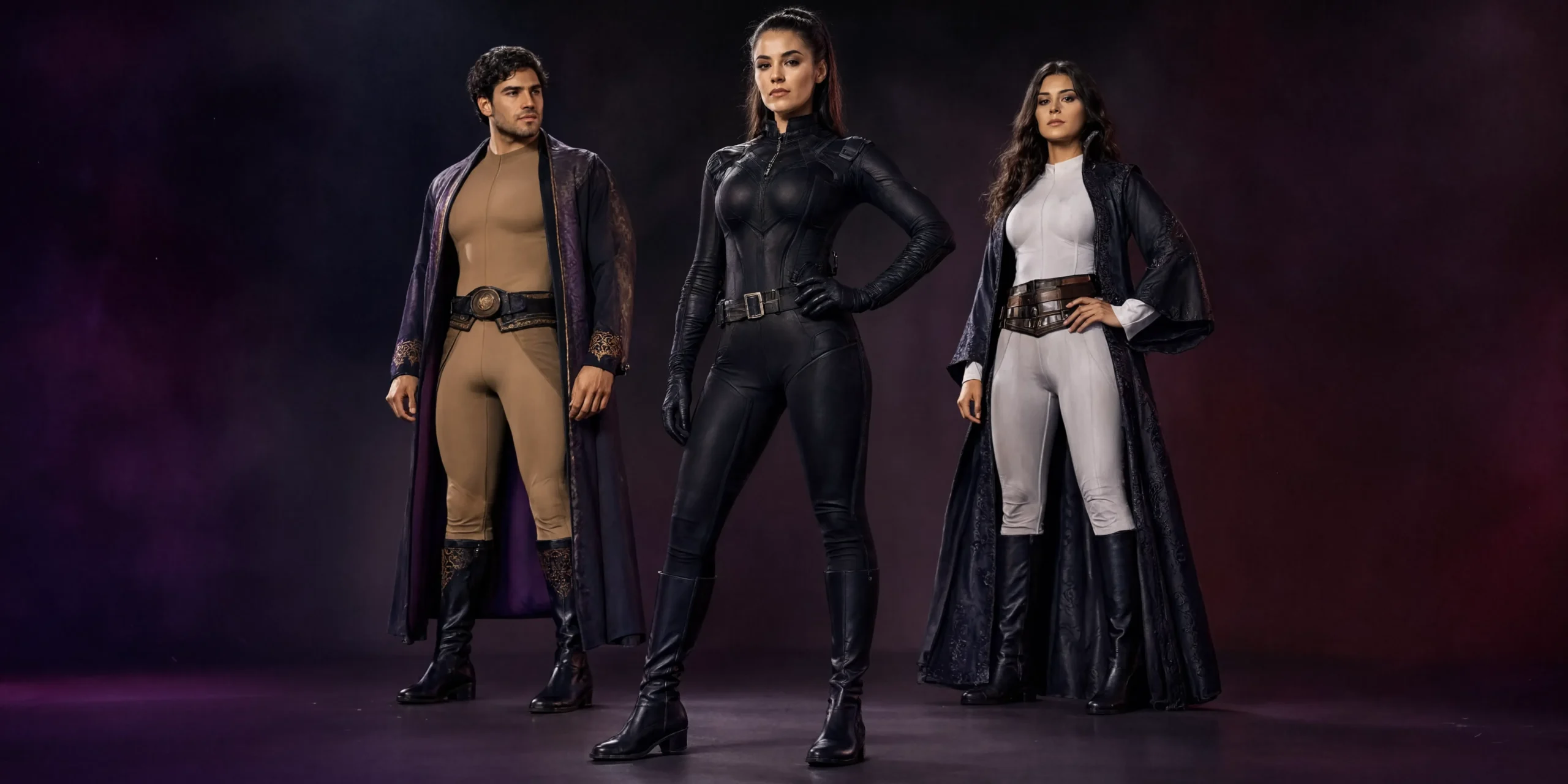
The main difference is whether the piece is meant to be seen. A costume bodysuit is usually part of the visible design. Its color and fit may define the character, such as a red superhero suit or a black ninja, villain, or witch costume.
A base layer is worn underneath other pieces for coverage, warmth, comfort, or a smooth fit under armor, robes, or skirts.
The same garment can serve both purposes. Regular leggings or fitted shirts may work when hidden, but a dedicated costume bodysuit base layer is better when color, coverage, or shape affects the final look.
Quick Decision Guide
| If you want to… | Start with… |
|---|---|
| Create a skin like character effect | Skin tone bodysuit |
| Build a superhero look | Colored or printed bodysuit |
| Hide the body under armor or props | Full coverage base layer |
| Create a creature | Stretch bodysuit with texture pieces |
| Layer a costume for a cold night | Comfortable base layer |
| Create an illusion style costume | Skin tone or matching bodysuit |
| Build a costume around one strong color | Solid color bodysuit |
| Keep the foundation completely hidden | Lightweight fitted base layer |
Why Start a Halloween Costume With a Base Layer?
A base layer affects how the rest of the costume fits and looks. If it bunches, slips, or leaves gaps, the outer pieces may appear disconnected.
A fitted base helps separate pieces look like one complete outfit. It also creates a smoother silhouette under armor, robes, or other layers while establishing the character’s main color.
Starting with a base makes planning easier. You can choose each costume piece to match the foundation instead of combining unrelated items.
How Do You Choose the Right Bodysuit for a Character?
The best bodysuit for Halloween costume designs depends on the character’s appearance, movement, and level of coverage.
1. Consider the Color
Color should support the character before you add details. Black works well for villains, ninjas, witches, vampires, grim reapers, and futuristic characters. White suits ghosts, skeletons, supernatural characters, and science fiction costumes. Bright colors can create a superhero or comic book inspired look.
Skin-tone bodysuits can help create illusion costumes. Choose a shade that matches the costume and works well in the expected lighting.
2. Consider the Coverage
Decide which areas need to be covered and which areas will remain visible. A full body option may be useful when the bodysuit is part of the character’s appearance or when you are layering several pieces over it. A partial option may be enough when only the arms, legs, or torso need a foundation.
Coverage also matters for comfort and confidence. If the outer costume moves during the night, the base layer should still provide the coverage you need.
3. Consider the Material
The material should allow you to move naturally. Stretch is helpful for fitted costumes because it allows you to walk, sit, bend, and raise your arms without fighting the fabric.
If the bodysuit will remain visible, look for a material that is opaque and comfortable for extended wear. If it is hidden, a lightweight material may be easier to layer under armor or robes.
4. Consider the Fit
A bodysuit should fit closely enough to stay in place but not so tightly that it restricts movement.
A loose base can bunch under other costume pieces. A tight base can become uncomfortable around the shoulders, waist, or legs. Check the sizing information carefully and test the full outfit before Halloween night.
5. Consider the Character
Ask one simple question: will people see the bodysuit? If yes, its color, texture, and finish are part of the costume. If not, focus more on comfort, coverage, and how well it works under the outer layers.
This costume base layer guide can help you choose the foundation before you spend money on accessories that may not work with it.
What Characters Can You Build With a Simple Bodysuit?
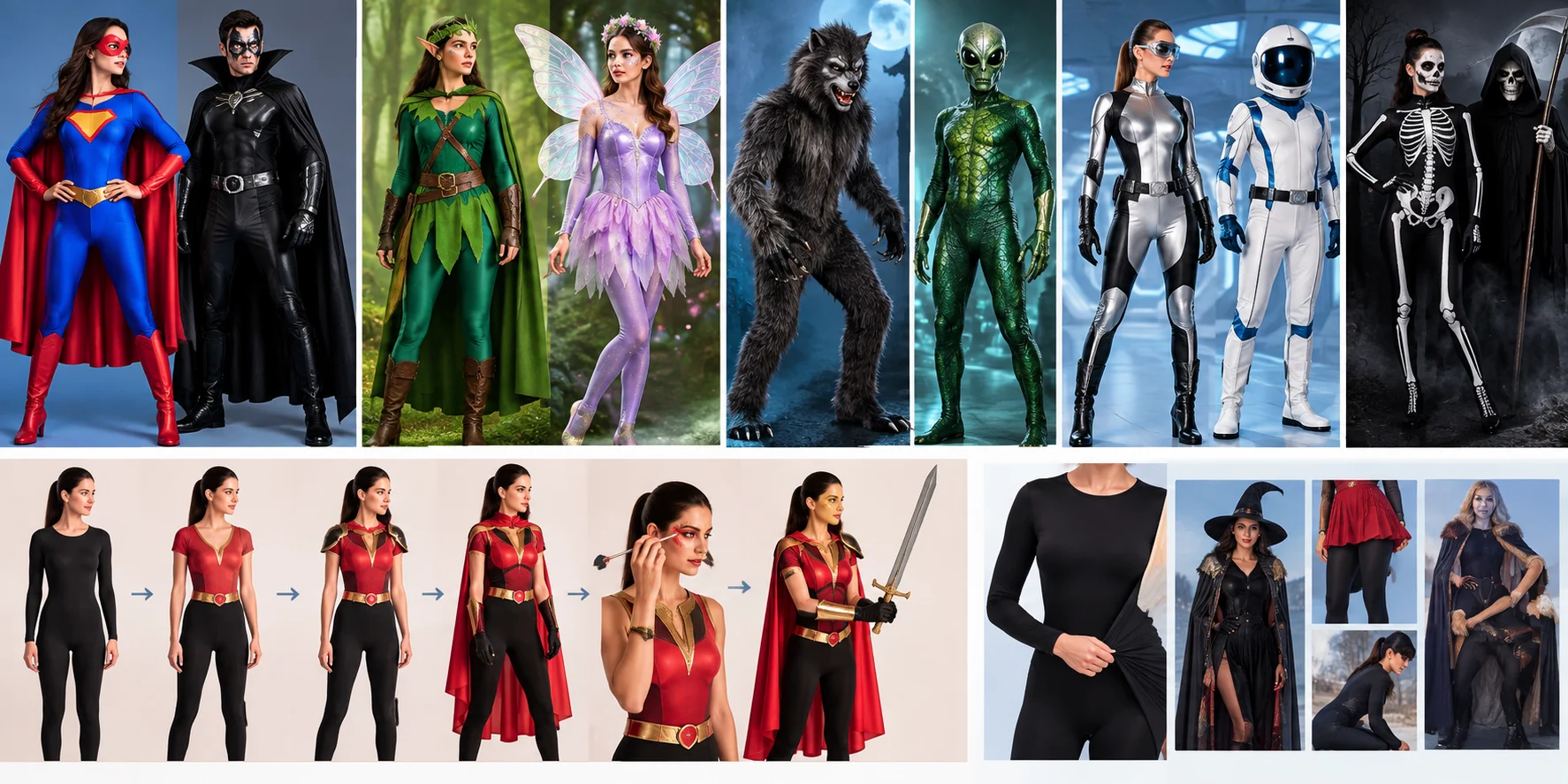
A bodysuit does not determine the entire character. It provides the shape and color that allow the rest of the costume to communicate the idea.
1. Superheroes and Villains
Start with a solid color bodysuit that matches the character’s identity. Add an emblem, cape, mask, gloves, belt, or boots.
For a superhero, the emblem and color combination may be the most important details. For a villain, darker colors, sharp accessories, dramatic makeup, or a distinctive mask can create a stronger impression.
The bodysuit does not need to look elaborate by itself. It gives the costume a clean surface for the details that make the character recognizable.
2. Fantasy and Mythical Characters
A fitted foundation can support an elf, fairy, witch, warrior, sorcerer, or other fantasy character. Add a robe, skirt, armor, ears, wig, belt, cloak, or fantasy makeup. The same leotard costume foundation can create completely different characters depending on the outer layers.
For example, a green bodysuit with pointed ears and a tunic can suggest an elf, while the same base with wings and glitter makeup can become a fairy.
3. Monsters and Creatures
Creature costumes often look better when the base and added textures work together.Begin with a black, white, gray, or colored bodysuit. Then add fur, scales, claws, tails, prosthetics, masks, or creature makeup.
The base keeps the exposed areas visually consistent while the added pieces create the texture and personality of the creature. A simple foundation can support a werewolf, alien, reptile, insect, demon, or original monster design.
4. Sci-Fi and Futuristic Characters
A fitted bodysuit can create the sleek shape needed for a futuristic character. Add armor panels, metallic accessories, gloves, goggles, belts, or boots.Choose one visual direction before adding pieces. A silver and black palette may suggest a space warrior, while white and blue may create a cleaner science fiction look.
The goal is not to cover the bodysuit with every accessory available. A few coordinated pieces usually create a stronger character than a crowded outfit.
5. Skeletons and Dark Halloween Characters
A dark foundation can support a skeleton, grim reaper, vampire, shadow creature, or other Halloween character. Add a robe, hood, mask, gloves, makeup, or prop. For a skeleton design, face and body makeup can provide the most recognizable details. For a grim reaper, the hood, cloak, and prop may matter more than the base itself.
How Do You Layer a Costume Over a Bodysuit?
Put on your costume in the right order to stay comfortable and keep the outfit looking neat.
Follow this simple sequence:
Base Layer | Main Costume | Character Details | Accessories | Makeup or Mask | Props
- Start with the base layer: Put on the bodysuit first and smooth out any wrinkles. This helps prevent bunching and keeps the rest of the costume in place.
- Add the main costume: Put on the clothing, robe, armor, or other large costume pieces next.
- Add character details: Attach emblems, belts, panels, texture pieces, or other details that help identify the character.
- Put on the accessories: Add gloves, capes, hats, jewelry, or other smaller pieces after the main costume is secure. This helps you see whether the outfit needs more details.
- Apply makeup or a mask: Do this after getting dressed so your makeup does not rub off on your clothing.
- Add the props last: Finish with items such as weapons, wands, bags, or other props, especially if they are large or difficult to carry.
Avoid wearing too many thick layers in one area. Bulky pieces around the shoulders, waist, or arms can make it harder to move and may cause the costume to shift.
Can a Base Layer Work Under a Halloween Costume?
Yes, and it can be useful for more than warmth. A base layer can provide extra coverage under costumes with short skirts, open sides, low necklines, or loose outer pieces. It can also prevent skin from showing between separate costume components.
For colder Halloween nights, choose a lightweight fitted layer that adds warmth without changing the costume’s shape. Try the complete outfit before the event to make sure you can walk, sit, bend, raise your arms, and move comfortably.
How to Turn One Bodysuit Into Multiple Costume Looks
A reusable bodysuit can support several costumes when you change the accessories around it.
A black bodysuit can become a ninja, villain, witch, futuristic character, or creature with the right mask, cape, hat, armor, makeup, or props.
A white bodysuit can work for a ghost, skeleton, alien, or futuristic design. Bright colors can create superhero or fantasy costumes, while a skin tone bodysuit can support illusion costumes.
This makes a costume bodysuit base layer useful beyond one Halloween. Wigs, masks, makeup, capes, and props can quickly change the character’s identity and overall style.
What Accessories Complete a Bodysuit-Based Costume?
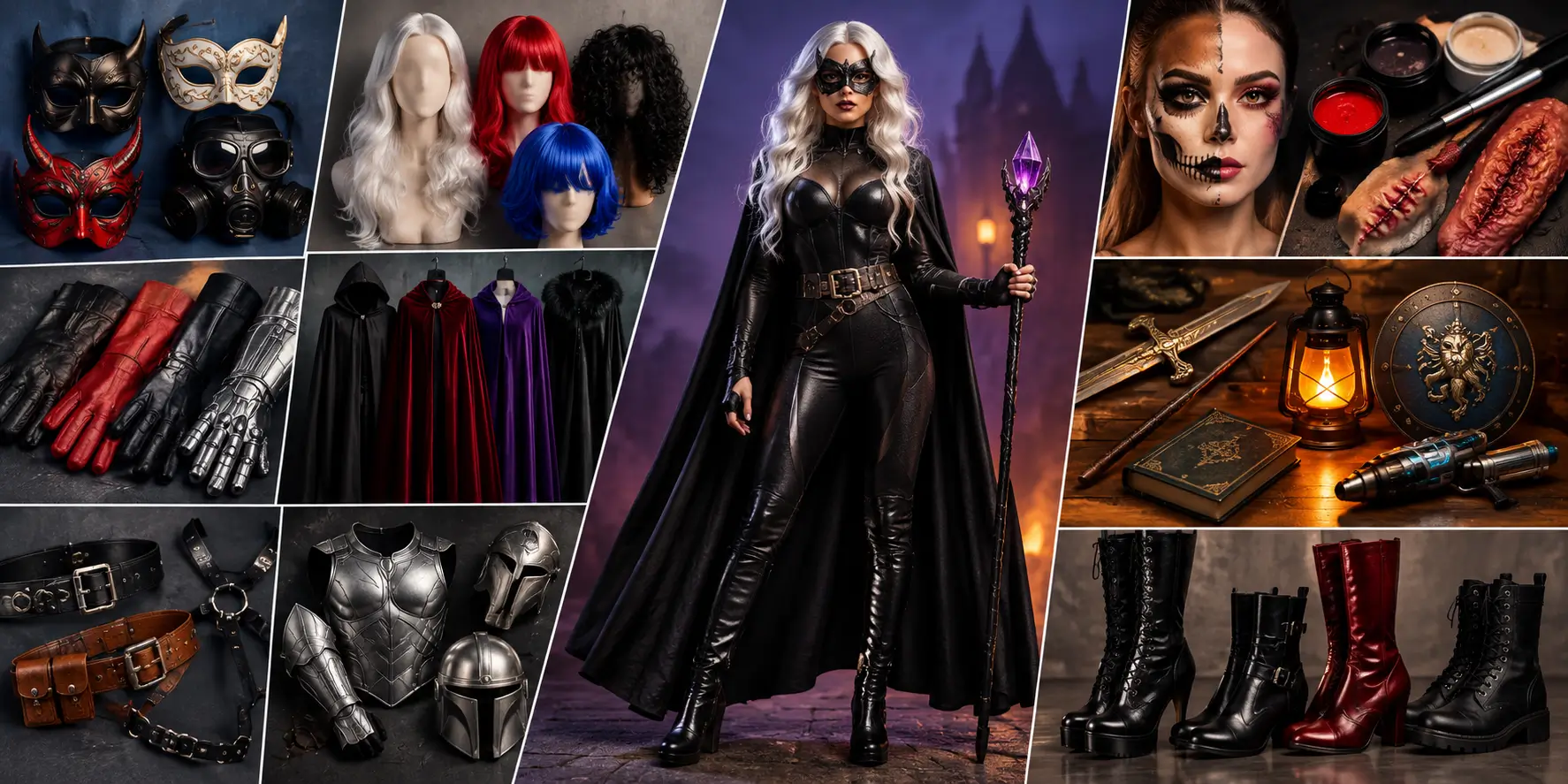
The right accessories should explain who the character is. They should not simply add more items to the outfit.
1. Masks and Face Coverings
A mask can create an immediate character identity. It may suggest a villain, creature, superhero, historical figure, or mysterious character.
Make sure the mask allows clear vision and comfortable breathing. A dramatic mask is not useful if it makes it difficult to move safely.
2. Wigs and Hair Accessories
Hair changes the character’s appearance quickly. A long white wig can create a fantasy or supernatural character, while a short bright wig may suggest a comic book or futuristic design.
Choose a style that works with the mask, hat, and neckline of the costume.
3. Gloves
Gloves connect the hands to the rest of the outfit. They can make a superhero, creature, warrior, or futuristic character look more complete.
They are also useful when the bodysuit ends at the wrists and you want to avoid a visible transition.
4. Capes and Cloaks
Capes and cloaks add movement and create a stronger silhouette. They work well for witches, vampires, fantasy characters, superheroes, and supernatural designs. Choose a length that will not drag or catch on furniture, doors, or other people.
5. Belts and Harness Style Accessories
Belts can break up a plain bodysuit and give the character more structure. They can also hold small accessories or help connect the upper and lower parts of the costume.
Harness style pieces can create a futuristic, warrior, or villain look, but they should be adjusted so they do not restrict breathing or movement.
6. Armor and Costume Pieces
Armor can transform a simple base into a knight, warrior, superhero, or science fiction character.
Secure each piece before wearing the costume outside. Loose armor can shift while walking and may become uncomfortable during a long event.
7. Makeup and SFX
Makeup connects the face to the rest of the costume. It can add color, age, scars, wounds, shadows, or creature features.
Special effects products can create a more detailed character, but test them on a small area of skin first and follow the product instructions.
8. Props
A signature prop can make the character easier to recognize. A wand, staff, shield, sword, book, lantern, or futuristic device may be enough.
Choose a prop that is easy to carry and appropriate for the event. One strong prop is usually more effective than several unrelated ones.
9. Footwear
Shoes and boots should match the character without making walking difficult. If the costume includes a long robe, cape, or wide leg pieces, check that the footwear does not create a tripping hazard.
How Can You Make a DIY Character Look More Complete?
A DIY costume looks more intentional when every piece supports the same idea. Start with one clear character concept and a limited color palette. Then create a recognizable silhouette with a cape, armor, robe, pointed hat, or oversized sleeves.
Add one or two defining details, such as an emblem, wand, horns, distinctive makeup, or a mask. Make sure the face and hair match the character.
Finish with one signature prop or accessory. A leotard costume gives you a clean base for these details, allowing you to build the character gradually without overloading the outfit.
Costume Bodysuit vs. Full Pre-Made Costume: Which Is Better?
Both options can work well, depending on how much time and customization you want.
| Bodysuit-Based Costume | Full Pre-made Costume |
|---|---|
| More customizable | Faster to assemble |
| Can create original characters | Usually follows a set design |
| Pieces can be reused | Often designed as one complete look |
| Easy to change accessories | Less flexibility |
| Works well for DIY designs | Useful when you want a ready-made character |
A full costume is often the better choice when you need a complete look quickly or want a character that is already styled.
A bodysuit based costume is better when you want control over the colors, fit, accessories, makeup, and final appearance. It also allows you to replace one piece without buying an entirely new costume.
Final Checklist: Building a Character From Scratch
Before heading to a Halloween party or event, check the full costume from head to toe.
- Choose the character concept.
- Pick the right base layer.
- Confirm that the base provides enough coverage.
- Add the main costume pieces.
- Build a clear silhouette.
- Match the colors across the outfit.
- Add character specific accessories.
- Complete the face and hair.
- Add one signature prop.
- Check comfort, visibility, and mobility.
- Try the complete outfit before Halloween night.
- Remove anything unnecessary or restrictive.
Where Can You Find Bodysuits, Base Layers and Costume Accessories?
If you are building a costume from separate pieces, Kreepy Halloween can be a useful place to shop for the foundation and finishing details. The store offers Halloween costumes, accessories, masks, makeup, wigs, decorations, and special effects, giving you options for creating a character instead of relying on one complete outfit.
You can begin with the bodysuit or base layer, then choose the pieces that support your character concept. Look for accessories that match the same color palette, silhouette, and mood.
Conclusion
The most memorable DIY costumes often begin with a simple foundation rather than a complicated finished outfit. A bodysuit gives you control over the color, coverage, and shape of the character, while the outer layers create the story.
You can turn one base into a superhero, creature, witch, warrior, villain, or original character by changing the accessories, makeup, wig, armor, and prop. The process is more flexible than buying a costume that has already been designed for you.
Choose the foundation based on the character you want to create, test the full outfit before wearing it out, and add only the details that strengthen the idea. With the right costume bodysuits base layer, even a simple starting piece can become a complete Halloween character.
Ready to create your character? Visit Kreepy Halloween for costumes, accessories, makeup, wigs, and special effects.
FAQs
1. What is a costume bodysuit used for?
A costume bodysuit creates a fitted foundation for Halloween characters. It can provide coverage, establish the character’s color, or support layers such as armor and accessories.
2. How do you choose the right bodysuit size?
Check the manufacturer’s size chart and compare your measurements. Choose a comfortable fit that allows movement without excessive looseness, bunching, or uncomfortable tightness.
3. What bodysuit colors work best as a base layer?
Black, white, skin tone, and solid bright colors are versatile choices. Select a shade that matches the character, outer costume, and overall color palette.
4. Can you layer a costume directly over a bodysuit?
Yes. A bodysuit can sit underneath robes, armor, skirts, jackets, capes, or other costume pieces. Choose lightweight layers to prevent unnecessary bulk and restriction.
5. What fabric bodysuits are most comfortable for all night wear?
Stretchy, lightweight, breathable fabrics are generally more comfortable for extended wear. Choose a material that allows natural movement and does not cause excessive heat or irritation.
6. How do you attach costume pieces to a base bodysuit?
Use suitable costume adhesives, removable fasteners, clips, or carefully placed stitching, depending on the material. Always test attachment methods before wearing the complete costume.
7. What bodysuits work best for full body character costumes?
Full coverage bodysuits work well when the base remains visible or supports several costume layers. Choose flexible material and sufficient coverage for comfortable movement.
8. Are bodysuits necessary for animal or creature costumes?
No. They are optional, but bodysuits can provide consistent coverage and color while giving you a clean foundation for fur, scales, makeup, masks, and prosthetics.
9. How do you keep bodysuits from riding up during wear?
Choose the correct size and a secure fit. Proper closures, comfortable garment construction, and testing the costume through normal movements can also help keep it positioned.
10. What’s the difference between a costume bodysuit and a leotard?
A costume bodysuit generally provides more body coverage and may be designed for character costumes. A leotard usually covers the torso and leaves the legs exposed.






Leave a Reply
Want to join the discussion?Feel free to contribute!